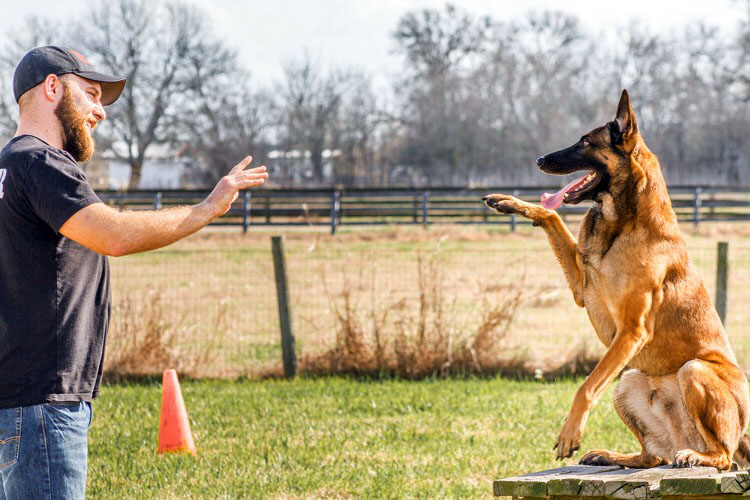
Understanding how dogs learn provides many useful clues regarding how best to teach them and which tools to use to do so. Dogs’ thought is neither inferior nor superior to ours; it’s just different. Dogs are obviously not capable of solving even a simple math problem, but they excel when it comes to evaluating sensory input. What might fluster humans is second nature to dogs, and vice versa. Because of their superior senses, the dog world is in some ways much more vibrant than ours. And unlike us, dogs live very much in the present. They focus primarily on the here and now.
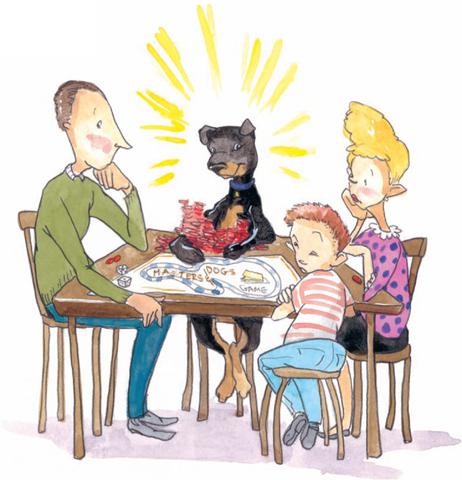
Manipulating the rewards in your dog’s life will bring you success in the training game.
Your dog investigates everything in her universe and assesses the feedback from each stimulus. Behaviors followed by good consequences are much more likely to be repeated in the future.
Dogs make thoughtful associations between their behavior and environmental cues and consequences. Moreover, dogs learn quickly by making new associations at an amazing rate. Thus, by providing appropriate feedback, owners can quickly and easily teach their dogs what they think is right. By manipulating the things your dog wants (food toys, attention, and life rewards) you can control the consequences of your dog’s actions, and you can teach her to do just about anything you want. By the same token, inappropriate feedback will teach your dog to do things you don’t want her to. For example, responding to your dog when she whines or jumps up on you will teach her that doing so is a good way to get your attention. So simply be sure your dog gets what she wants only when she does what you want.